Olga Dziemidowicz Olga Dziemidowicz

What Live Painting Brings to an Event

What Live Painting Brings to an Event

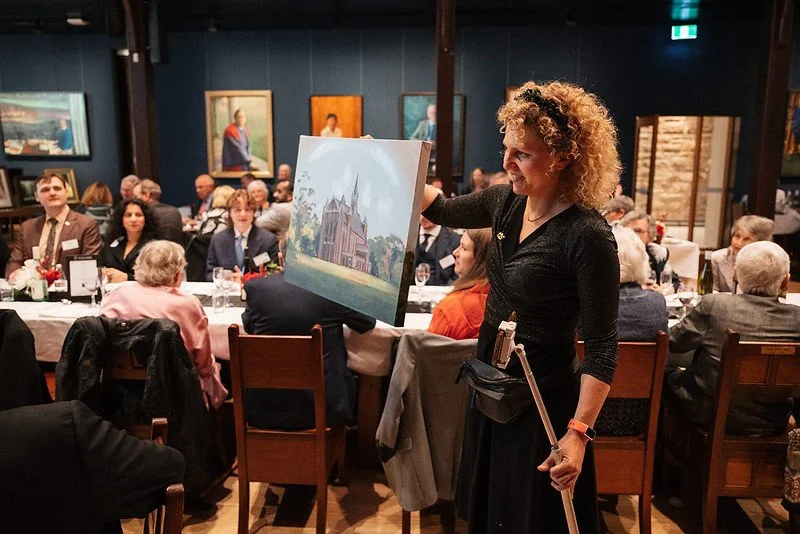
The moment a canvas begins to take shape in a room, the energy changes. Guests pause, look twice, and start to gather - not because they are being asked to, but because something meaningful is unfolding in real time. That shift captures exactly what live painting brings to an event: atmosphere, connection and a lasting memory made visible.

For planners, brand teams and hosts, that matters. The best event elements do more than fill a programme slot. They enrich the experience without competing with it, and they leave behind something more substantial than a fleeting moment on a run sheet. Live painting sits in that rare space between performance, visual storytelling and commemorative art.

What live painting brings to an event beyond entertainment

Live painting is often described as entertainment, but for premium events that word can feel too narrow. Entertainment is usually consumed and then finished. Live painting continues to build value as the event unfolds, because the artwork becomes part of the environment, part of the guest experience and part of the event legacy.

It brings a focal point to the room, but in a quiet and elegant way. Unlike loud interactive features that demand participation, live painting invites curiosity. Guests can engage as much or as little as they like. Some will watch the composition develop over the evening. Others will return several times, noticing how colour, movement and key details have emerged. That repeated engagement creates a gentle rhythm within the event.

It also adds sophistication to the atmosphere. In a corporate setting, this can soften a highly structured program and introduce warmth without losing polish. At weddings and private celebrations, it contributes a sense of occasion that feels emotional rather than theatrical. For galas and cultural events, it often reinforces the feeling that the event itself is worth witnessing and remembering.

A stronger sense of atmosphere and occasion

Some event features are practical. Others are decorative. Live painting does something more layered - it shapes how a space feels.

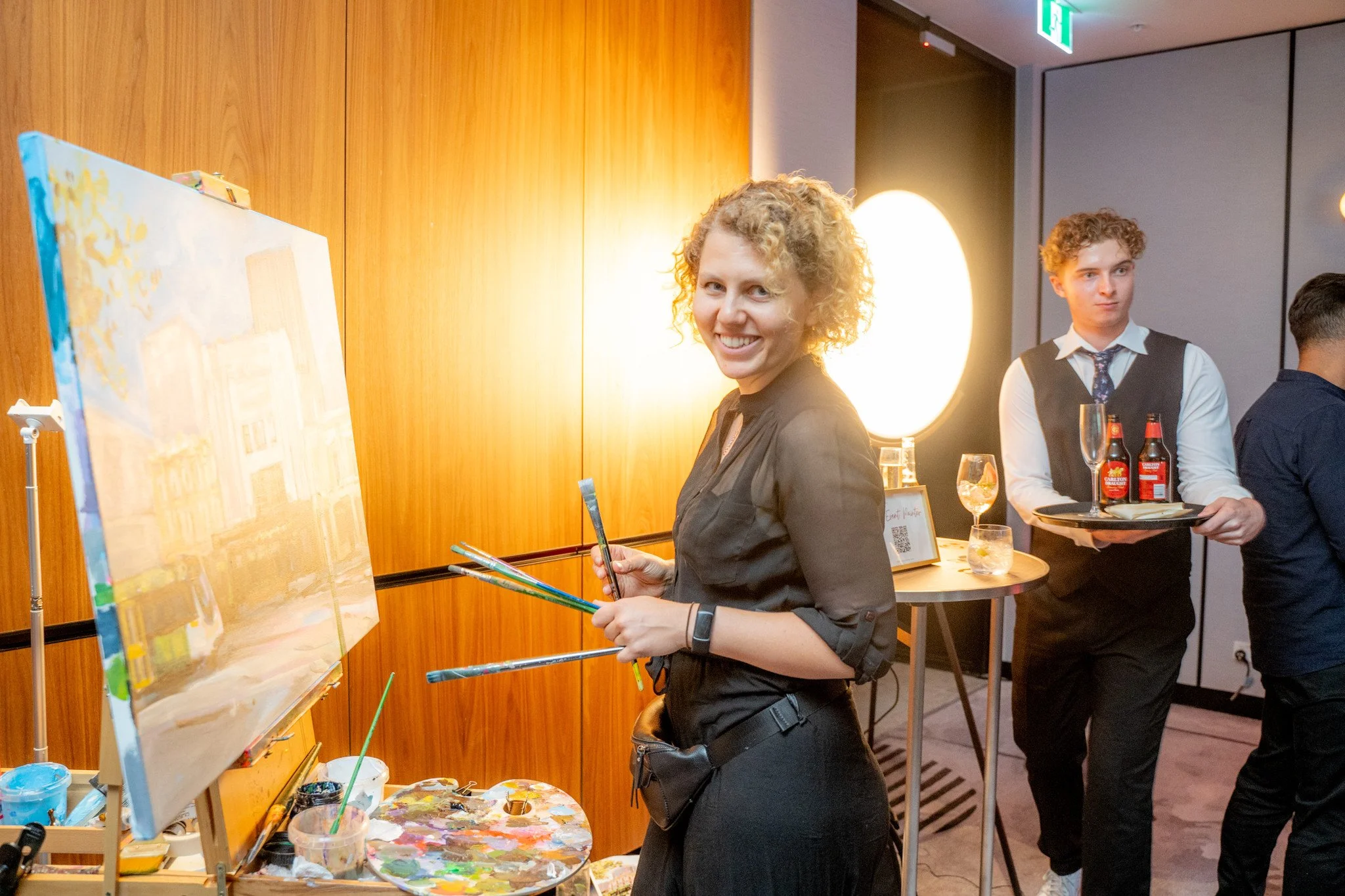
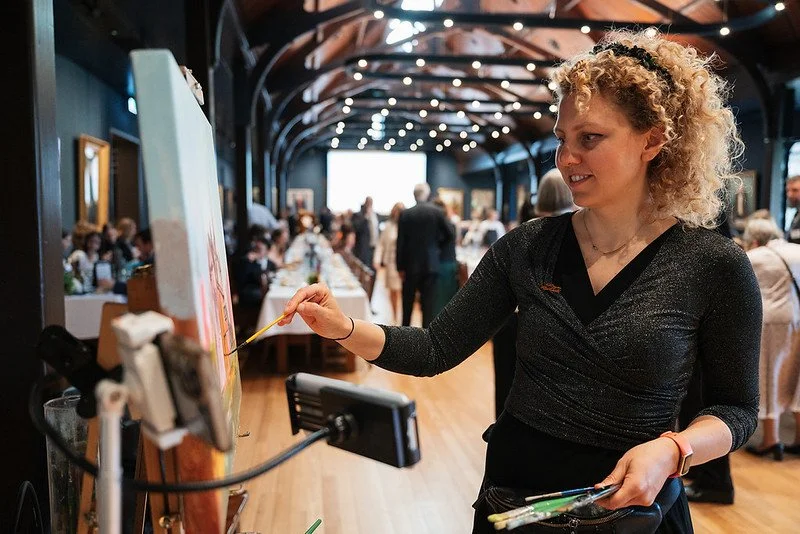
A painter working live becomes part of the event design. The easel, the evolving canvas and the artist’s presence create visual interest that feels considered rather than ornamental. This is especially valuable in premium venues, where every element needs to support the broader aesthetic rather than interrupt it.

There is also a subtle theatrical quality to watching a scene emerge from brushstrokes. The room sees itself reflected back in an artistic form, and that changes perception. Guests are not just attending the event. They are inside something being interpreted and preserved.

That sense of occasion is one reason live painting works so well across very different formats. A luxury wedding may call for romance and intimacy, while a brand activation may need conversation and shareable visual moments. The outcome is different in each case, but the underlying value is similar - the event feels elevated.

A natural way to encourage guest connection

One of the most useful things about live painting is that it creates interaction without forcing it. Guests are naturally drawn to progress, and a developing artwork gives them something genuine to talk about.

At conferences and corporate functions, this can be especially effective. People who may not know each other already have a point of connection. They can discuss what they are seeing, compare what has changed since earlier in the evening, or reflect on which moments are being captured. That conversation feels organic because it is anchored in the event itself.

At weddings, the effect is often more personal. Guests enjoy recognising details from the ceremony or reception as they begin to appear on the canvas. Family members and friends feel included in a shared act of witnessing. The painting becomes a gathering point, but one with emotional softness rather than crowd-drawing novelty.

This is an important distinction for premium events. The aim is rarely to create noise for its own sake. It is to support connection in a way that feels elegant, memorable and aligned with the tone of the occasion.

Why the artwork matters after the event ends

A strong event experience is valuable in the moment. A commissioned artwork extends that value well beyond it.

This is one of the clearest answers to what live painting brings to an event. It does not disappear when the room is packed down. The finished painting becomes a lasting object with emotional and practical value, depending on the type of event.

For weddings and private celebrations, it becomes a deeply personal keepsake that holds more than visual likeness. It carries atmosphere, movement and memory. Photographs document what happened, but a painting can express how it felt.

For corporate clients, the artwork can become part of brand storytelling long after the event has finished. Displayed in an office, used in post-event communications, or retained as a commissioned piece for stakeholders, it continues to represent the significance of the occasion. That is especially compelling for milestone launches, leadership events, charity galas and cultural programs where legacy matters.

The strongest live paintings are not just records of décor or guest placement. They distil the emotional energy of the room into a considered final work. That is where fine-art positioning makes a difference.

Live painting for corporate, brand and private events

Live painting is versatile, but it is not one-size-fits-all. What it brings depends partly on the event objective.

For corporate events, it often adds depth to the guest experience while reinforcing a premium event standard. A conference dinner, awards night or executive gathering may need an element that feels cultured, distinctive and polished. Live painting can meet that need without disrupting speeches, networking or formal service.

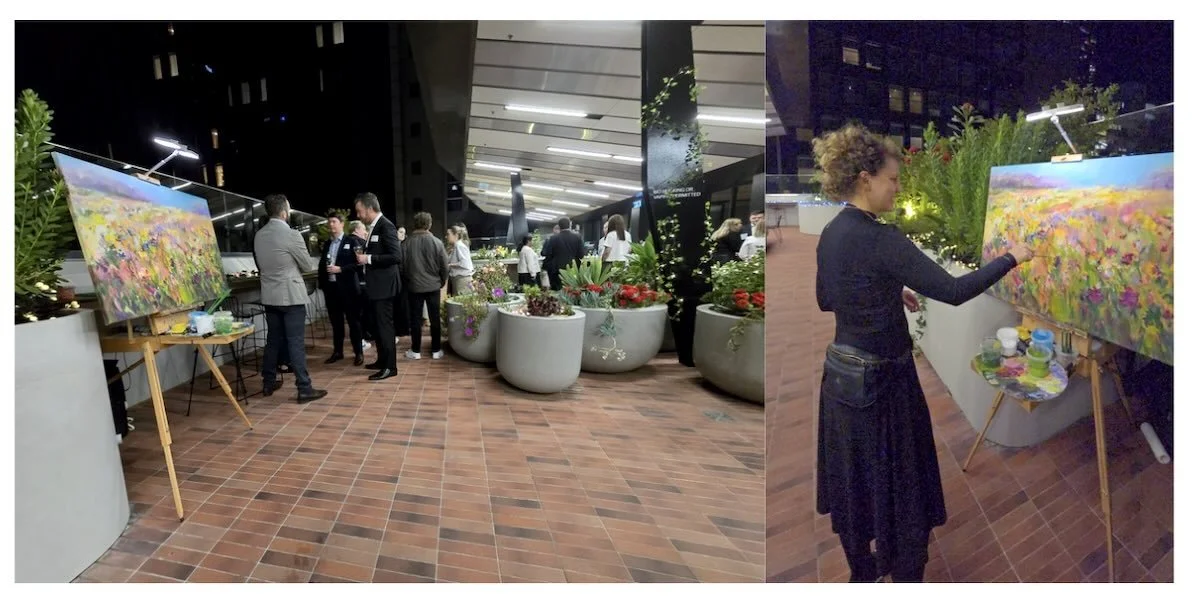
For brand activations, the value may lean more towards visibility and audience engagement. A live artist creates a moment people want to watch and share. The artwork can incorporate brand cues with subtlety, which is often more effective than overt promotion. The result feels curated rather than commercial.

For galas and charity events, there is usually an emotional and symbolic role. A live painting can reflect the purpose of the evening and add a sense of significance to fundraising moments or key speeches. In some cases, the finished work may even become part of the event’s legacy or auction strategy.

For weddings, the role is intimate and enduring. The painting captures not only the couple but the atmosphere surrounding them - the light, the setting, the emotional tone. It becomes both part of the celebration and one of the few tangible pieces that remain after it.

The trade-off: when live painting works best

Like any premium event feature, live painting works best when it suits the event’s tone, layout and priorities.

If an event is highly compressed, with little guest dwell time and constant movement between spaces, the audience may have fewer opportunities to engage with the work as it develops. If the visual environment is already crowded with competing activations, the elegance of live painting can be diluted. That does not mean it cannot work, but it does mean thoughtful placement and planning matter.

The strongest results come when the artwork is treated as part of the event design, not an afterthought. Positioning, lighting, sightlines and timing all influence how guests experience it. A calm, professional artist who can integrate smoothly into a live environment is equally important. Premium clients need creative excellence, but they also need reliability, discretion and an understanding of event flow.

This is why consultation matters. The right brief considers not only what will be painted, but what role the painting should play in the broader event experience.

What guests remember

Guests may not recall every canapé or every line of a speech. They do remember how an event felt.

That feeling is shaped by details that create emotional texture. A live painting contributes to that texture in a way few event elements can. It is visually engaging, but also reflective. It gives guests something beautiful to witness as the evening unfolds, and it gives hosts something lasting that continues to hold meaning afterward.

For clients seeking more than a standard entertainment booking, that is the real value. Live painting can bring presence without intrusion, elegance without stiffness, and memory without sentimentality. It helps an event feel considered, distinctive and worth returning to in the mind.

For many meaningful events, that is exactly the point. When atmosphere, connection and lasting memory matter as much as logistics, live painting becomes more than an addition to the run sheet. It becomes part of the story the event leaves behind.

What Live Painting Brings to an Event

The moment a canvas begins to take shape in a room, the energy changes. Guests pause, look twice, and start to gather - not because they are being asked to, but because something meaningful is unfolding in real time. That shift captures exactly what live painting brings to an event: atmosphere, connection and a lasting memory made visible.

For planners, brand teams and hosts, that matters. The best event elements do more than fill a programme slot. They enrich the experience without competing with it, and they leave behind something more substantial than a fleeting moment on a run sheet. Live painting sits in that rare space between performance, visual storytelling and commemorative art.

What live painting brings to an event beyond entertainment

Live painting is often described as entertainment, but for premium events that word can feel too narrow. Entertainment is usually consumed and then finished. Live painting continues to build value as the event unfolds, because the artwork becomes part of the environment, part of the guest experience and part of the event legacy.

It brings a focal point to the room, but in a quiet and elegant way. Unlike loud interactive features that demand participation, live painting invites curiosity. Guests can engage as much or as little as they like. Some will watch the composition develop over the evening. Others will return several times, noticing how colour, movement and key details have emerged. That repeated engagement creates a gentle rhythm within the event.

It also adds sophistication to the atmosphere. In a corporate setting, this can soften a highly structured program and introduce warmth without losing polish. At weddings and private celebrations, it contributes a sense of occasion that feels emotional rather than theatrical. For galas and cultural events, it often reinforces the feeling that the event itself is worth witnessing and remembering.

A stronger sense of atmosphere and occasion

Some event features are practical. Others are decorative. Live painting does something more layered - it shapes how a space feels.

A painter working live becomes part of the event design. The easel, the evolving canvas and the artist’s presence create visual interest that feels considered rather than ornamental. This is especially valuable in premium venues, where every element needs to support the broader aesthetic rather than interrupt it.

There is also a subtle theatrical quality to watching a scene emerge from brushstrokes. The room sees itself reflected back in an artistic form, and that changes perception. Guests are not just attending the event. They are inside something being interpreted and preserved.

That sense of occasion is one reason live painting works so well across very different formats. A luxury wedding may call for romance and intimacy, while a brand activation may need conversation and shareable visual moments. The outcome is different in each case, but the underlying value is similar - the event feels elevated.

A natural way to encourage guest connection

One of the most useful things about live painting is that it creates interaction without forcing it. Guests are naturally drawn to progress, and a developing artwork gives them something genuine to talk about.

At conferences and corporate functions, this can be especially effective. People who may not know each other already have a point of connection. They can discuss what they are seeing, compare what has changed since earlier in the evening, or reflect on which moments are being captured. That conversation feels organic because it is anchored in the event itself.

At weddings, the effect is often more personal. Guests enjoy recognising details from the ceremony or reception as they begin to appear on the canvas. Family members and friends feel included in a shared act of witnessing. The painting becomes a gathering point, but one with emotional softness rather than crowd-drawing novelty.

This is an important distinction for premium events. The aim is rarely to create noise for its own sake. It is to support connection in a way that feels elegant, memorable and aligned with the tone of the occasion.

Why the artwork matters after the event ends

A strong event experience is valuable in the moment. A commissioned artwork extends that value well beyond it.

This is one of the clearest answers to what live painting brings to an event. It does not disappear when the room is packed down. The finished painting becomes a lasting object with emotional and practical value, depending on the type of event.

For weddings and private celebrations, it becomes a deeply personal keepsake that holds more than visual likeness. It carries atmosphere, movement and memory. Photographs document what happened, but a painting can express how it felt.

For corporate clients, the artwork can become part of brand storytelling long after the event has finished. Displayed in an office, used in post-event communications, or retained as a commissioned piece for stakeholders, it continues to represent the significance of the occasion. That is especially compelling for milestone launches, leadership events, charity galas and cultural programs where legacy matters.

The strongest live paintings are not just records of décor or guest placement. They distil the emotional energy of the room into a considered final work. That is where fine-art positioning makes a difference.

Live painting for corporate, brand and private events

Live painting is versatile, but it is not one-size-fits-all. What it brings depends partly on the event objective.

For corporate events, it often adds depth to the guest experience while reinforcing a premium event standard. A conference dinner, awards night or executive gathering may need an element that feels cultured, distinctive and polished. Live painting can meet that need without disrupting speeches, networking or formal service.

For brand activations, the value may lean more towards visibility and audience engagement. A live artist creates a moment people want to watch and share. The artwork can incorporate brand cues with subtlety, which is often more effective than overt promotion. The result feels curated rather than commercial.

For galas and charity events, there is usually an emotional and symbolic role. A live painting can reflect the purpose of the evening and add a sense of significance to fundraising moments or key speeches. In some cases, the finished work may even become part of the event’s legacy or auction strategy.

For weddings, the role is intimate and enduring. The painting captures not only the couple but the atmosphere surrounding them - the light, the setting, the emotional tone. It becomes both part of the celebration and one of the few tangible pieces that remain after it.

The trade-off: when live painting works best

Like any premium event feature, live painting works best when it suits the event’s tone, layout and priorities.

If an event is highly compressed, with little guest dwell time and constant movement between spaces, the audience may have fewer opportunities to engage with the work as it develops. If the visual environment is already crowded with competing activations, the elegance of live painting can be diluted. That does not mean it cannot work, but it does mean thoughtful placement and planning matter.

The strongest results come when the artwork is treated as part of the event design, not an afterthought. Positioning, lighting, sightlines and timing all influence how guests experience it. A calm, professional artist who can integrate smoothly into a live environment is equally important. Premium clients need creative excellence, but they also need reliability, discretion and an understanding of event flow.

This is why consultation matters. The right brief considers not only what will be painted, but what role the painting should play in the broader event experience.

What guests remember

Guests may not recall every canapé or every line of a speech. They do remember how an event felt.

That feeling is shaped by details that create emotional texture. A live painting contributes to that texture in a way few event elements can. It is visually engaging, but also reflective. It gives guests something beautiful to witness as the evening unfolds, and it gives hosts something lasting that continues to hold meaning afterward.

For clients seeking more than a standard entertainment booking, that is the real value. Live painting can bring presence without intrusion, elegance without stiffness, and memory without sentimentality. It helps an event feel considered, distinctive and worth returning to in the mind.

For many meaningful events, that is exactly the point. When atmosphere, connection and lasting memory matter as much as logistics, live painting becomes more than an addition to the run sheet. It becomes part of the story the event leaves behind.

Read More